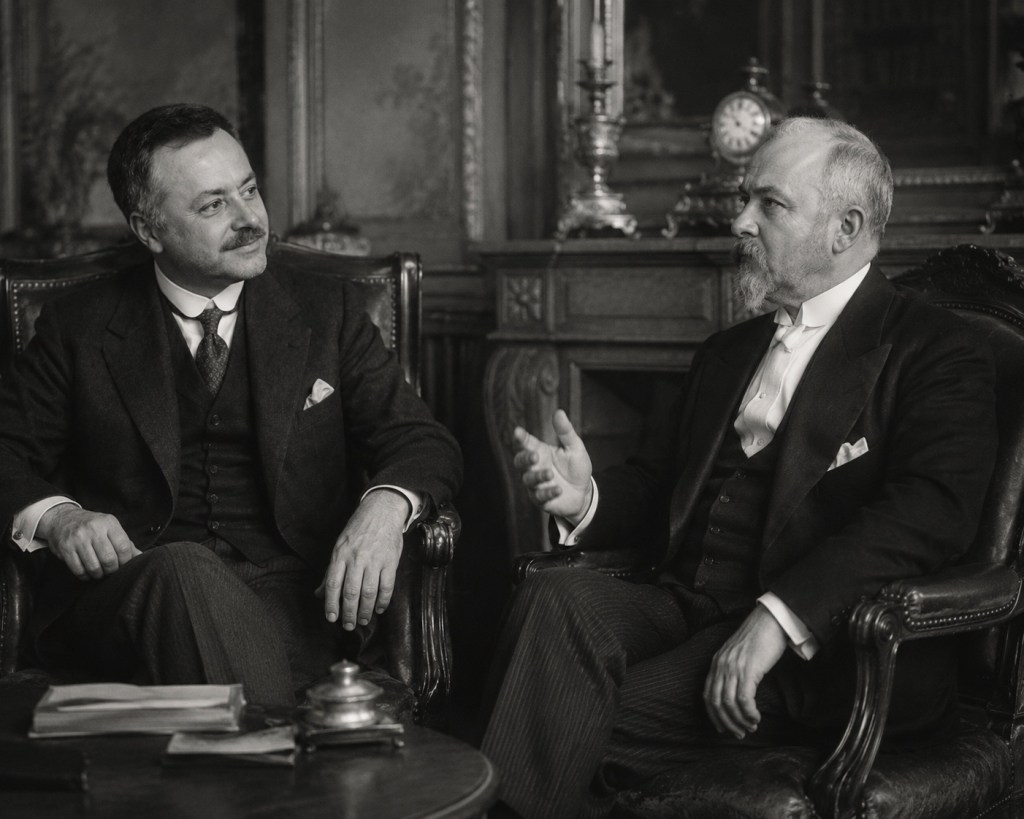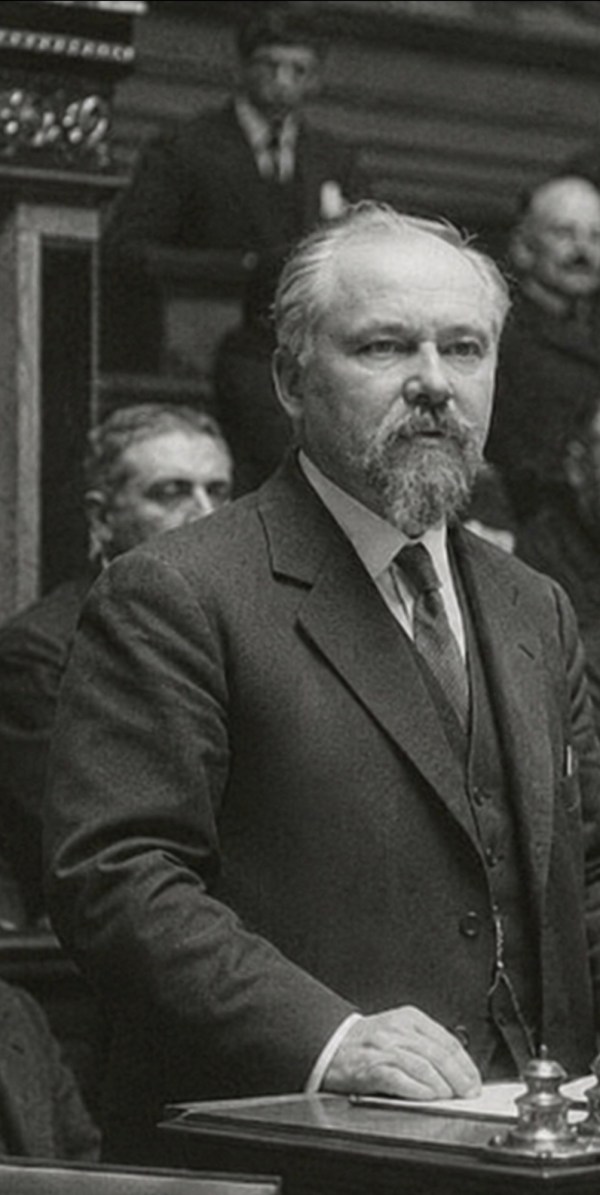
The National Union government is barely twenty-four hours old. Yesterday, Poincaré finalized his cabinet, wiping out the Under-Secretariats of State with a single stroke of his pen and bringing together the political heavyweights: Briand, Herriot, Tardieu, Painlevé. The market reacted immediately: before the close, the British pound plummeted from 235 to 208 francs. But the fire has merely been contained. This morning, Rue de Rivoli feels like a wartime headquarters.
8:00 a.m. I step into the office of the new Prime Minister and Minister of Finance. Raymond Poincaré has been at his desk for two hours already. Not a crease in his suit, not a single file out of place. The man is a precision mechanism fueled by sheer discipline and black coffee.
He barely raises his eyes from his index cards.
— “The Stock Exchange is breathing, Olivier,” he tells me in his dry, clipped voice. “But it’s merely a psychological reprieve. If we don’t secure international credit within ten days, the franc will plunge into the abyss again. What are the Americans saying?”
I sit opposite him and lay my dossier on the leather desk mat.
— “I met with Margaret L. Hayes yesterday afternoon. Second Secretary at the U.S. Embassy. And, incidentally, granddaughter of President Rutherford Hayes. Washington isn’t sending us parlor diplomats; they are sending strategists.”
Poincaré pauses. His gaze sharpens behind his spectacles.
— “And what does the President’s granddaughter demand?”
— “What Wall Street demands: guarantees and a fixed anchor. The Americans are exhausted by our game of musical chairs in the cabinet. Herriot collapsing in two days, the Quai d’Orsay shifting course every Tuesday… They are demanding three conditions before intervening in the markets to support our currency:
1. Debt guarantees: Concrete assurances regarding the Mellon-Bérenger Agreement as soon as the storm passes.
2. A direct channel: Immediate access to the Finance and Interior ministries, bypassing the filter of French bureaucracy.
3. Political visibility: Reliable intelligence on street movements and civil unrest.”
Poincaré listens without interrupting me, his fingers tapping rhythmically on the desk.
— “The demands of impatient creditors,” he mumbles, a shadow of irritation crossing his face. “Do they intend to run the French administration?”
— “They want to ensure there will still be a government standing to repay the debt in six months. In return, Miss Hayes was explicit: if we deliver this stability and this privileged channel, Washington will curb speculation against the franc and unblock lines of credit.”
A heavy silence settles over the room. Poincaré stands up, takes three paces toward the window overlooking the Tuileries, then turns around.
— “The debt agreement will never pass the Chamber of Deputies as long as the French people feel they are paying for their own ruin. I will enforce an iron discipline, set up an amortization fund for National Defense bonds, and raise 11 billion in new taxes if I must. But I will not sell out the sovereignty of the State. However… regarding the direct channel, you have free rein. Be their privileged liaison, Olivier. Make them understand that Poincaré is no one-day minister.”
He is already sitting back down, retrieving his pen with a swift gesture.
— “See Miss Hayes again. Tell her France is preparing to tighten its belt, but in return, we demand Wall Street loosen its grip. If American diplomacy is looking for the man pulling the strings in Paris, they’ve found him.”
I bow and leave the office. The battle to save the franc won’t be fought merely amidst the din of the Palais-Bourbon, but in the shadows of these confidential negotiations with Washington. I’m going to have my hands full.
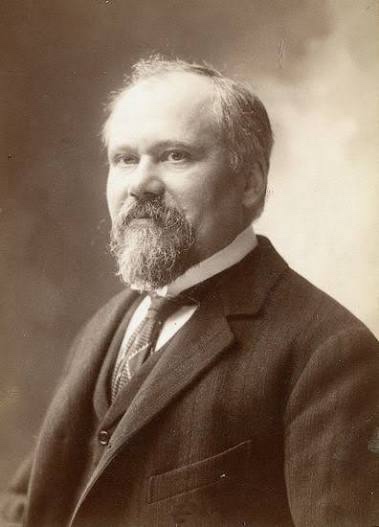
Raymond Poincaré, savior of the franc and French public finances.