Welcome to the historical reference page dedicated to the year 1926. Positioned as a year of high drama and crucial transitions, 1926 was defined by the spectacular collapse of the French national currency, the fragile hope of a lasting European peace, and an unparalleled intellectual and cultural explosion. It stands as one of the densest and most revealing chapters of the interwar period under the Third Republic.
I. Politics and Economics: The Shock of the Franc and National Unity
The year 1926 opened under a dark cloud of chronic parliamentary instability, exacerbated by a massive financial crisis and the crushing burden of debt left by the Great War.
The Cabinet Merry-Go-Round and the Exchange Rate Crisis
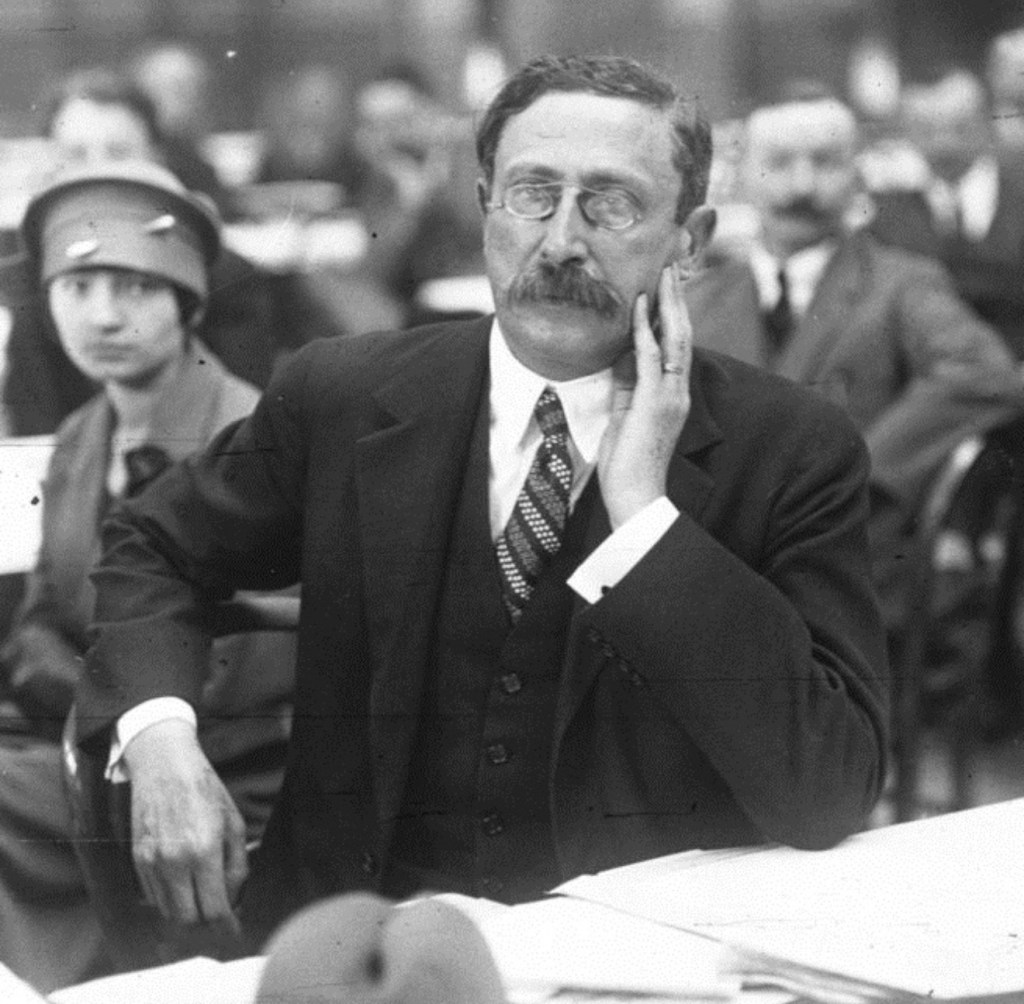
The political battle lines were drawn in January during the SFIO (Socialist Party) Congress at the cooperative La Bellevilloise, where Léon Blum famously theorized the distinction between « participation » in a coalition government and « the actual exercise of power. »
In the Chamber of Deputies, the treasury was running dry: in March, the passed budget showed a staggering deficit of 36.45 billion francs in expenditures against only 32.07 billion in revenue. Seeking to plug the gap, Minister of Finance Paul Doumer proposed a controversial tax hike on everyday consumer goods (coffee, sugar, alcohol). He was immediately outvoted, triggering yet another cabinet collapse.
By spring, the exchange rate crisis spiraled out of control. Finance ministers came and went in quick succession: Raoul Péret resigned in June, followed by the rapid failures of Édouard Herriot and Aristide Briand to form a stable economic cabinet. The climax came on July 20, 1926: the Franc collapsed completely, with the British Pound crossing the critical threshold of 240 francs (up from 100 francs in early 1925).
The following day, the Governor of the Banque de France, Émile Moreau, warned the Élysée that the state was on the verge of declaring technical bankruptcy. Outside, an angry mob besieged the Palais-Bourbon, forcing the immediate fall of Herriot’s short-lived cabinet.
The Savior Poincaré and Economic Stabilization
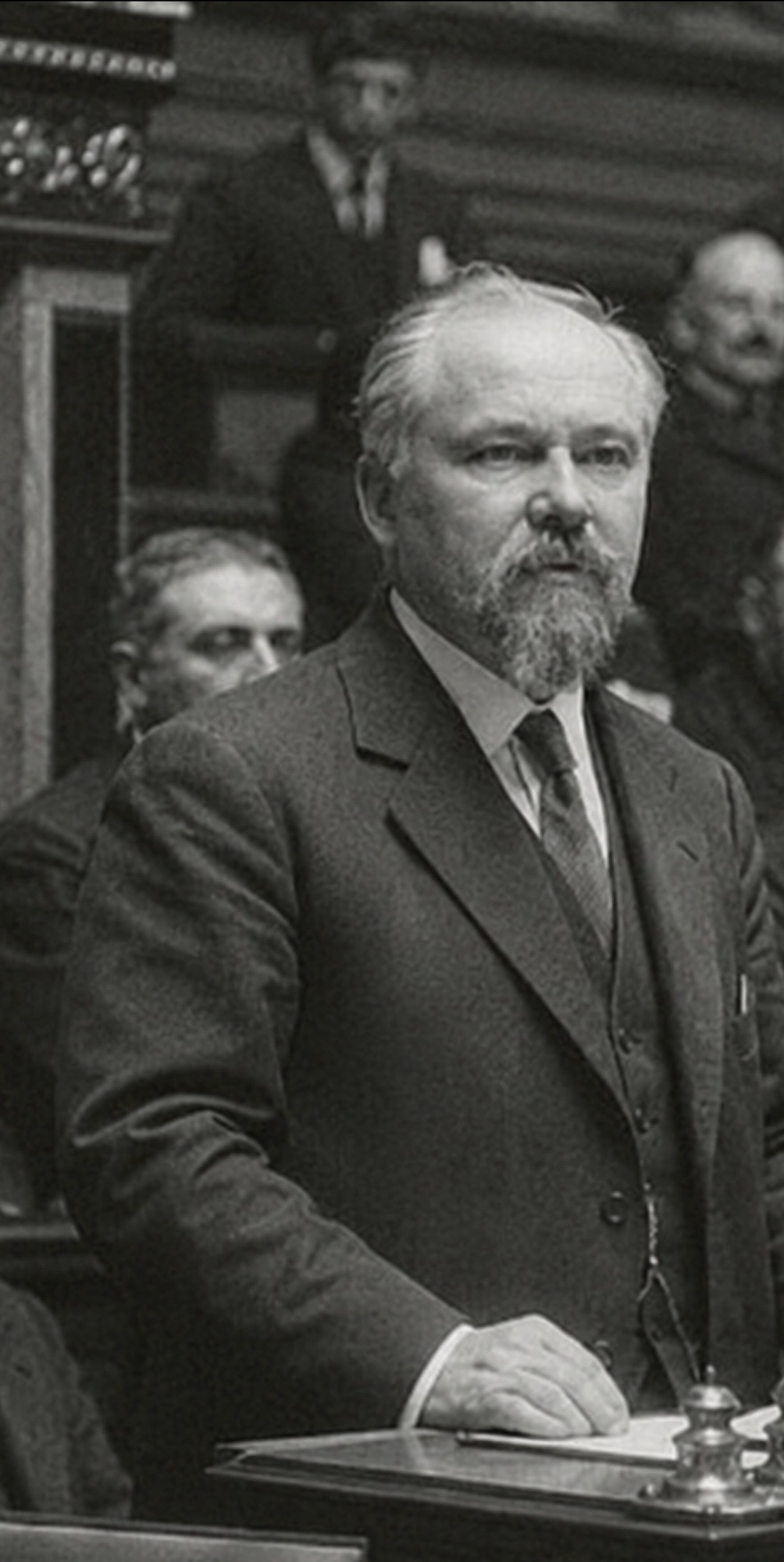
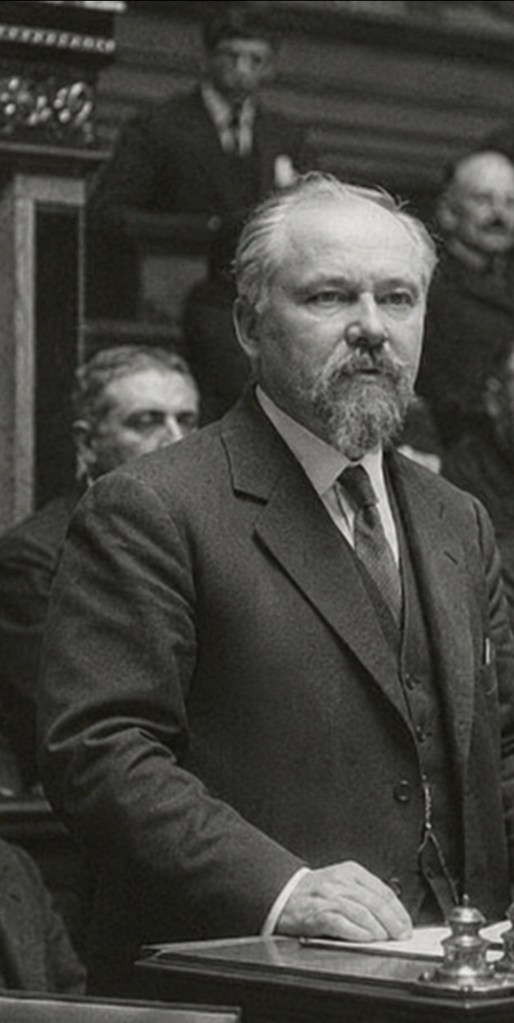
On July 23, 1926, Raymond Poincaré was called to form a government of « National Union » (Union Nationale). Bringing together a broad coalition stretching from the Radicals to the moderate Right, Poincaré took the dual role of Prime Minister (President of the Council) and Minister of Finance.
His stabilization plan was swift and uncompromising:
- A massive increase in indirect taxation to raise 11.5 billion francs in new revenue.
- The creation of an autonomous management fund (Caisse autonome d’amortissement) specifically designed to manage national defense bonds.
- The convocation of a joint session of Parliament (the Congress) at Versailles on August 10 to enshrine the public debt guarantee into the French Constitution.
Poincaré’s shock therapy restored immediate public confidence. The franc stabilized and began its recovery. In November, banking on this newfound stability, Poincaré eased social tensions by formally recognizing the right of civil servants to unionize, while strictly maintaining the ban on their right to strike.
II. Geopolitics: Between European Reconciliation and Colonial Crises
On the global stage, 1926 was a year of sharp contrasts, balancing the painful resolution of colonial conflicts with the idealistic pursuit of European peace.
The End of the Colonial Wars (Rif and Syria)

- The Rif War (Morocco): After peace talks collapsed in April, joint Franco-Spanish military operations resumed with devastating intensity against the Rif insurgents. Surrounded and facing total defeat, the legendary leader Abd el-Krim formally surrendered to French forces on May 27, 1926. He was subsequently exiled to the island of Réunion, bringing an end to one of the largest colonial wars of the decade.
- The Syrian Mandate: In the Middle East, French troops under General Charles Andréa fought fierce battles to pacify the Druze revolt, recapturing Soueïda in April. By July, the large-scale rebellion in the Damascus oasis was systematically suppressed, though a strict state of siege remained in force.
Settling the Crushing War Debts
France sought to stabilize its relationships with its Anglo-Saxon allies. On April 29, the Mellon-Bérenger Agreement fixed the repayment of France’s wartime debt to the United States at $6.847 billion, structured over 62 years.
The agreement sparked deep public resentment: on July 11, over 20,000 veterans marched silently through Paris, passing the Place de l’Étoile, protesting what they saw as an insult to their sacrifices. On July 12, the Caillaux-Churchill Agreement resolved France’s British debt under similar structured terms.
The « Spirit of Geneva »: The Briand-Stresemann Era
The crowning diplomatic achievement of 1926 took place in September, when Weimar Germany was officially admitted to the League of Nations (Société des Nations) with a permanent seat. To mark the occasion, French Foreign Minister Aristide Briand delivered a soaring, historic address in Geneva:
« Away with rifles, machine guns, and cannons! Make way for conciliation, arbitration, and peace! »
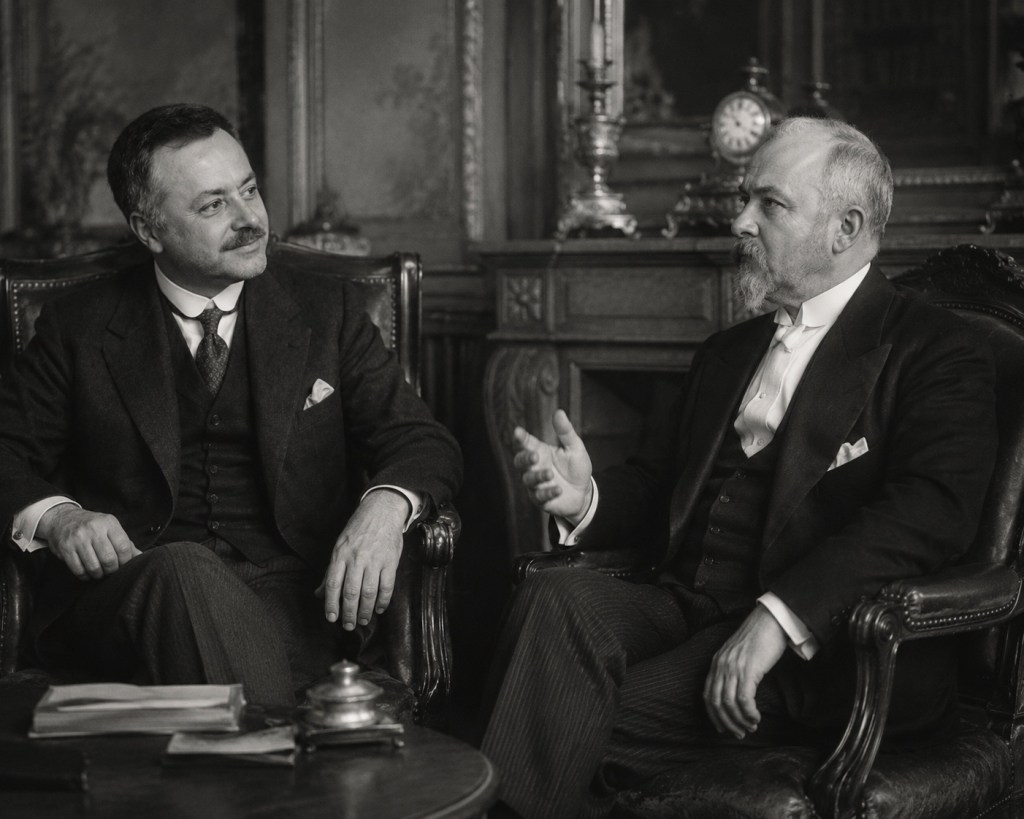
Shortly after, on September 18, Briand met secretly with his German counterpart Gustav Stresemann in the quiet French village of Thoiry. There, they laid the groundwork for a comprehensive Franco-German rapprochement, discussing the early evacuation of the Rhineland and the termination of allied military control in exchange for crucial financial reparations.
This bold diplomatic stride was recognized globally on December 10, 1926, when both Briand and Stresemann were jointly awarded the Nobel Peace Prize. Meanwhile, European economic integration marched forward with the signing of the International Steel Cartel by Luxembourgian industrialist Émile Mayrisch.
III. Society and Culture: A Nation in Full Mutation
The Vibrant Russian Diaspora in Paris
The 1926 national census highlighted a major demographic and cultural shift: France was now home to over 67,000 Russian refugees fleeing the Bolshevik regime (up from 32,000 in 1921). Concentrated heavily in the Parisian suburbs (many working as laborers in the Renault factories of Billancourt) and the Lyon region, they established a vibrant « Russia Abroad. »
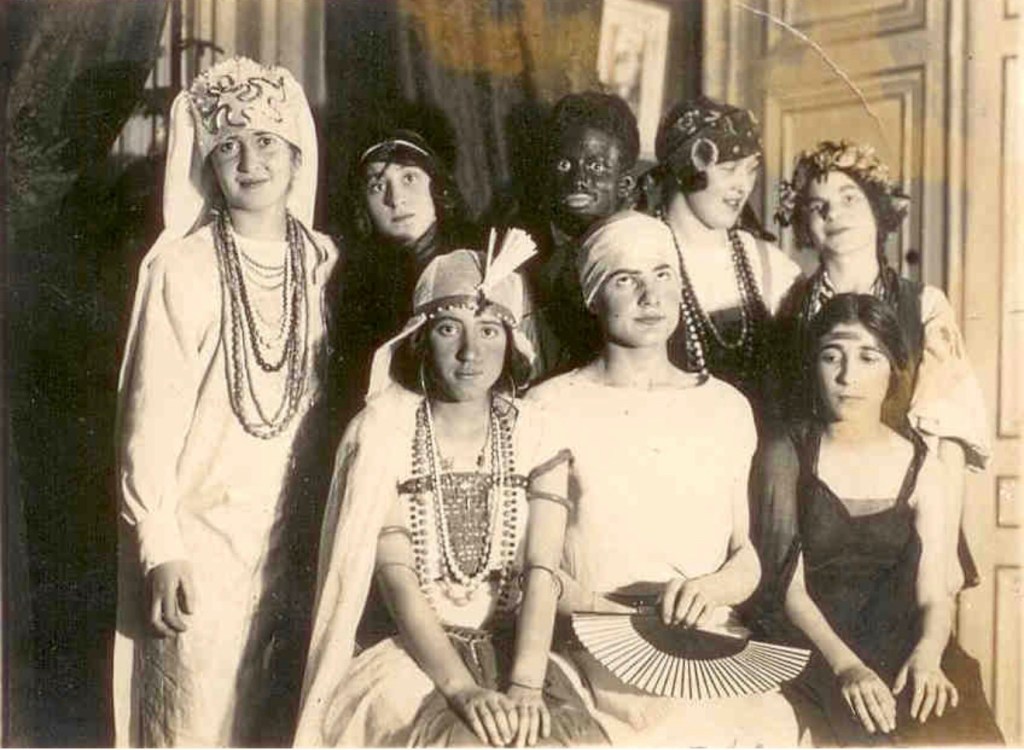
Costume Party at the Home of White Russian Émigrés in Paris, 1926
The community sustained its own daily newspapers, such as Pavel Milyukov’s Latest News (Posledniye Novosti) and Alexander Kerensky’s Oppressed Russia, and founded major intellectual institutions like the St. Sergius Orthodox Theological Institute. This vibrant exile culture was animated by some of Russia’s greatest literary and philosophical minds, including Nikolai Berdyaev, Marina Tsvetaeva, Ivan Bunin, and Lev Shestov.
The Political-Religious Earthquake: The Condemnation of Action Française
In late August, Cardinal Andrieu of Bordeaux published an open letter strongly condemning the doctrines of Charles Maurras and his nationalist movement, L’Action Française, accusing them of placing political power above God and corrupting Catholic youth.
Pope Pius XI offered his full backing in September, culminating in a historic move between December 20 and 29: the Vatican officially placed the works of Maurras and the daily Action Française newspaper on the Index Librorum Prohibitorum (Index of Forbidden Books). This dramatic rupture caused an agonizing crisis of conscience for millions of French Catholic nationalists, splitting families, parishes, and the intellectual elite.
A Vintage Year for Science, Letters, and Arts
- Science: On November 12, the French physicist Jean Perrin was awarded the Nobel Prize in Physics for his groundbreaking work on the discontinuous structure of matter and the experimental verification of Brownian motion, providing the definitive proof of the physical existence of atoms. Just days earlier, on November 4, Princess Marie Bonaparte founded the Psychoanalytic Society of Paris (Société psychanalytique de Paris), officially introducing Freudian clinical methods to the French medical establishment.
- Literature: In March, Georges Bernanos published his debut novel, Under the Sun of Satan (Sous le soleil de Satan), to immediate and thunderous acclaim. The year also saw the publication of Julien Green’s Mont-Cinère, Paul Éluard’s surrealist masterpiece Capitale de la douleur, and Francis Ponge’s Douze petits écrits. On the left, Henri Barbusse assumed the literary directorship of the communist daily L’Humanité.
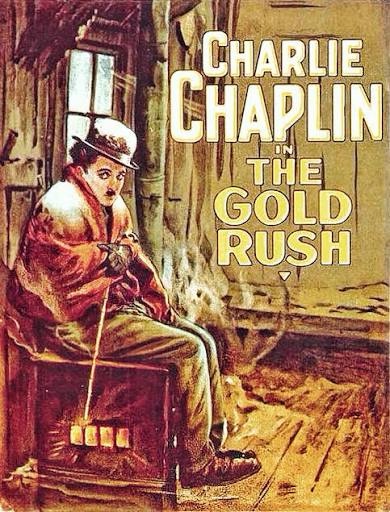
- Arts and Media: The Surrealist movement established its permanent home in March with the opening of the Galerie Surréaliste in Paris, launched with an exhibition by Man Ray. Jean Cocteau electrified the theater world with his avant-garde production of Orphée. French cinemas were swept by the genius of Charlie Chaplin’s The Gold Rush, while Wanda Landowska revived the historical harpsichord from her specialized school in Saint-Leu-la-Forêt. Finally, media pioneer Marcel Bleustein-Blanchet laid the foundations of modern advertising by establishing the agency Publicis.
Sources & Historical References
- French Parliamentary Records: Journal Officiel de la République Française (Debates of the Chamber of Deputies, March & July 1926).
- Wartime Debt Treaties: Official texts of the Mellon-Bérenger Agreement (April 29, 1926) and the Caillaux-Churchill Agreement (July 12, 1926).
- Vatican Archives: Acta Apostolicae Sedis (AAS, December 1926) — Official Decree placing Charles Maurras and L’Action Française on the Index Librorum Prohibitorum.
- Nobel Foundation Archives: 1926 Nobel Prize in Physics (Jean Perrin) and 1926 Nobel Peace Prize (Aristide Briand & Gustav Stresemann) Presentation Speeches and Laureate Biographies.
- Contemporary Press (1926): Digital archives of Le Temps, Le Figaro, and L’Humanité (Gallica — Bibliothèque Nationale de France).

