August 1, 1926: Nothing Must Go Off the Rails in the Mines!

The soap in the great earthenware washbasin can do nothing about it. This coal dust, fine and clinging as chimney soot, stays lodged beneath my nails and in the creases of my palms. However hard I scrub, it wins out: it settles into the grain of the writing paper on which I set down these lines, in small black traces I no longer dare wipe away.
Looking at them, I measure the distance that separates the plush carpets of the Rue de Rivoli from the bottom of Pit 11.
Raymond Poincaré has sent me to the North with a fixed idea in mind: to determine whether our coal basins can bear the strain of the monetary war effort without tipping the country into a general strike. Tonight, in the silence of this room at the Hôtel de la Gare in Lens, where one can still almost hear, far off, the panting of a coal convoy, I have my answer.


This Morning’s Descent
Nothing prepares you for the cage as it drops. We say “go down” — the word is far too gentle. It is a controlled fall, four hundred metres down a black shaft, the stomach lurching upward, and then, all at once, the stop, the silence, and that damp heat seizing you by the throat like a hand. The air is thick with dust and sweat; the lamp at the belt pierces no more than a metre ahead of one’s feet.
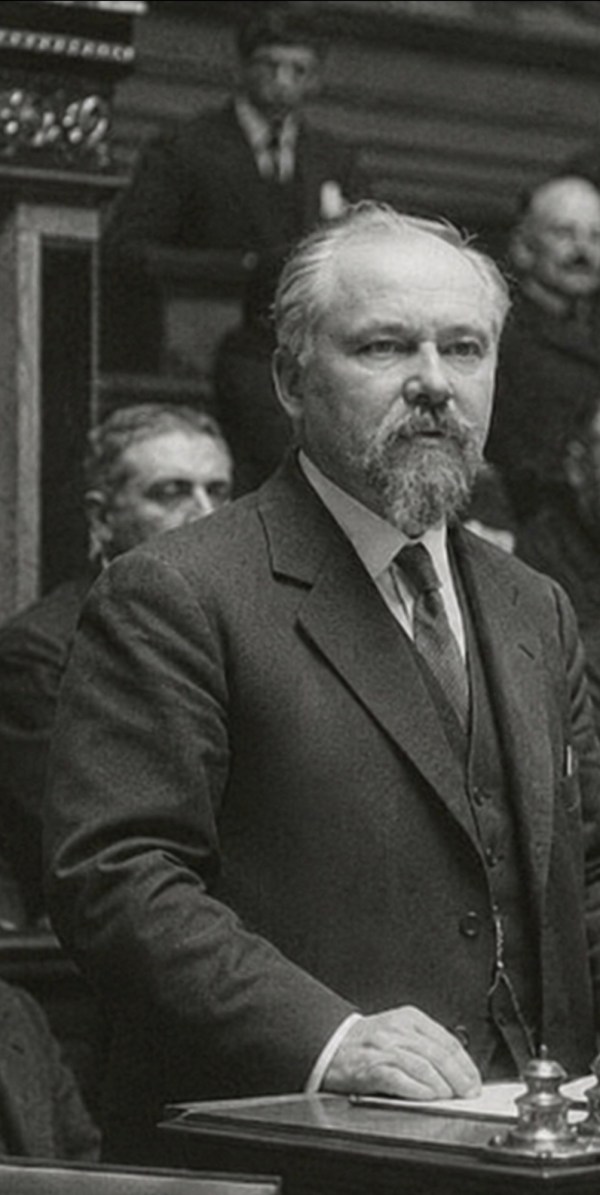
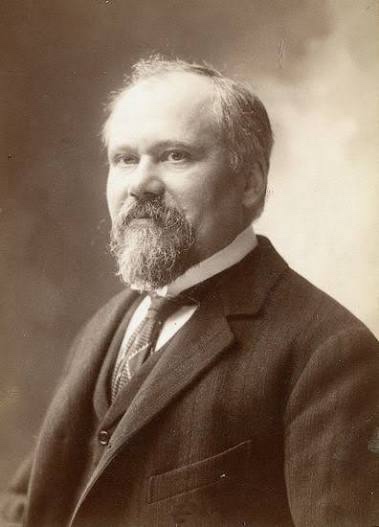
Walking before me is Henri de Peyerimhoff, president of the Comité Central des Houillères — that great jurist out of the Conseil d’État who has become the true spokesman of the mining employers. He advances without a moment’s hesitation into the darkness, as though he knew every gallery by heart. Peyerimhoff wished to show me “his place of work” before any discussion took place, “so that I might see for myself,” as he put it.
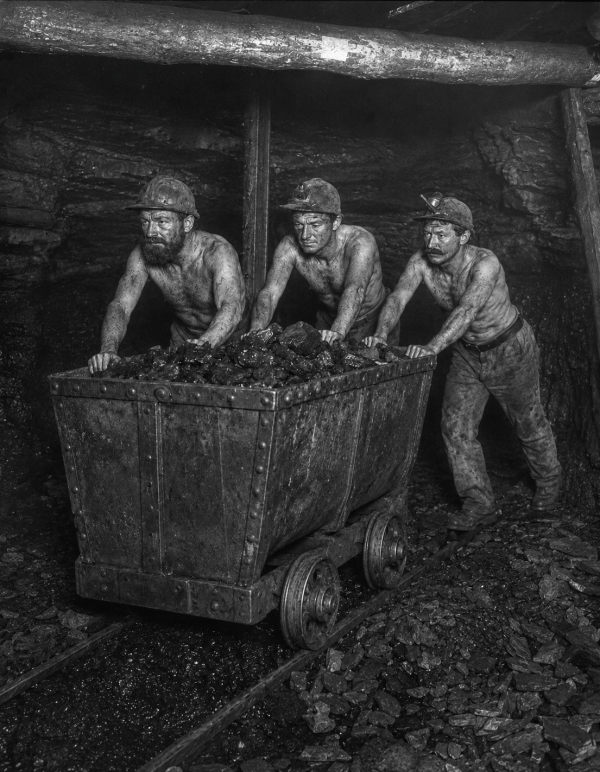
Rounding a coalface, we come upon three men, bare-chested, their skin gleaming, black with coal down into the very creases of their wrinkles. Two young Poles, arrived on recent convoys of the Société Générale d’Immigration, and a strapping local lad, native to Lens or Hénin. Together, muscles straining to breaking point, they heave forward a tram wagon of at least five hundred kilos, on makeshift rails, in a grinding of iron that all but drowns out their breathing.
It is this force — raw, silent — that drives the entire economy of the country, and that one so easily forgets from behind a desk in Paris.


The Tram Wagon
Then, with a metallic crash that echoes down the whole gallery, the wagon jumps its rails. The mass of iron tips dangerously, threatening to fall upon the legs of one of the Poles, who struggles to hold it back. The shift foreman comes running and shouts an order — which the man, not understanding a word of French, cannot carry out. I see the miners’ eyes harden around us; something, in the already unbreathable air, grows taut.
It is here that Peyerimhoff shows his true face. He does not lose his temper. The former magistrate lays a firm hand on the foreman’s shoulder and says, without raising his voice, with a cold authority sufficient to cut the panic short:
“Calm yourselves. The language barrier calls for method, not shouting. If this wagon overturns, or a man is hurt, we lose two hours of output, and we sow resentment for months to come.”
With a gesture, he sends for a bilingual worker. Within barely two minutes, the order is translated, the wagon righted and set back on its rails, and work resumes — quietly, almost as though nothing had happened. Only the men’s eyes, still a shade too fixed, say otherwise.


Black Coffee
Back at the surface, in the management office, over a black and bitter coffee that strikes me as the best I have tasted in weeks, the exchange remains grave. Peyerimhoff pushes the production ledgers toward me, then fixes me with that lucid, almost weary gaze worn by men accustomed to carrying heavy decisions alone:
“You see it for yourself, Monsieur le Conseiller. Discipline is not maintained through threats. If we want the mines to supply the coal needed to stabilise the Franc, these men must be treated with method and with justice. Safety in the coalfaces, decent wages, respect for the contracts of our immigrants: these are not concessions. They are the very conditions of productivity.”
“That is precisely the analysis of the cabinet in Paris, Monsieur de Peyerimhoff,” I reply. “The State will lend its support for transport and equipment. But we shall be inflexible on the protection of the miners and the enforcement of the rules. We shall not save the currency on the backs of the men from the pit.”
He nods, satisfied, it seems, to find that the government yields neither to demagogy nor to old-style employer brutality.


Night Over the Slag Heaps
It is late now. Through my window, the slag heaps cast enormous shadows into the northern night, like black hills set down there by mistake. I return to Paris tomorrow, still a little dust beneath my nails, with a certainty that will not leave me: with men of Peyerimhoff’s calibre, a pact of reason between the State and heavy industry is possible.
Whether it will hold, once I am gone, remains to be seen.

« Rounding a coalface, we come upon three men, bare-chested, their skin gleaming, black with coal down into the very creases of their wrinkles. Two young Poles, arrived on recent convoys of the Société Générale d’Immigration, and a strapping local lad, native to Lens or Hénin. »
„Walking before me is Henri de Peyerimhoff, president of the Comité Central des Houillères — that great jurist out of the Conseil d’État who has become the true spokesman of the mining employers.“

1er août 1926 : Rien ne doit dérailler dans les mines !

Le savon du grand lavabo en faïence n’y peut rien. Cette poussière de charbon, fine et poisseuse comme de la suie de cheminée, reste incrustée sous mes ongles et dans les plis de mes paumes. J’ai beau frotter, elle gagne : elle s’installe dans le grain du papier à lettres sur lequel j’écris ces lignes, en petites traces noires que je n’ose plus essuyer.

En les regardant, je mesure la distance qui sépare les moquettes feutrées de la rue de Rivoli du fond de la Fosse 11.

Raymond Poincaré m’envoie dans le Nord avec une idée fixe : vérifier si nos bassins miniers peuvent porter l’effort de guerre monétaire sans que le pays ne bascule dans la grève générale. Ce soir, dans le silence de cette chambre de l’hôtel de la Gare, à Lens, où l’on croit entendre encore, au loin, le halètement d’un convoi de charbon, j’ai ma réponse.

La descente de ce matin

Rien ne prépare à la cage qui tombe. On dit « descendre » — le mot est trop doux. C’est une chute retenue, quatre cents mètres dans un puits noir, l’estomac qui remonte, et puis d’un coup l’arrêt, le silence, et cette chaleur moite qui vous saisit à la gorge comme une main. L’air est saturé de poussière et de sueur ; la lampe à la ceinture ne perce qu’un mètre devant les pieds.

Devant moi marche Henri de Peyerimhoff, le président du Comité Central des Houillères, ce grand juriste issu du Conseil d’État devenu le véritable porte-parole du patronat minier. Il s’avance sans une hésitation dans l’obscurité, comme s’il connaissait chaque galerie par cœur. Peyerimhoff a souhaité me montrer « son lieu de travail », avant toute discussion, « pour que je me rende compte » a-t-il ajouté.

Au détour d’une taille d’abattage, nous tombons sur trois hommes torse nu, la peau luisante, noire de charbon jusque dans les rides. Deux jeunes Polonais, arrivés par les récents convois de la Société Générale d’Immigration, et un gaillard du cru, natif de Lens ou d’Hénin. Ensemble, muscles bandés à rompre, ils s’arc-boutent pour faire avancer une berline de cinq cents kilos au moins, sur des rails de fortune, dans un grincement de fer qui couvre presque leurs souffles.

C’est cette force-là, brute, silencieuse, qui fait tourner l’économie tout entière du pays — et que l’on oublie si facilement depuis un bureau parisien.

Le wagonnet

Puis, dans un choc métallique qui résonne dans toute la galerie, le wagonnet déraille. La masse de fer penche dangereusement, menaçant de se renverser sur les jambes d’un des Polonais qui peine à la retenir. Le chef de poste arrive en courant et hurle un ordre — que l’homme, ne comprenant pas un mot de français, ne sait pas exécuter. Je vois les regards des mineurs se durcir autour de nous ; quelque chose, dans l’air déjà irrespirable, se tend encore.

C’est là que Peyerimhoff montre son vrai visage. Il ne s’emporte pas. L’ancien magistrat pose une main ferme sur l’épaule du chef de poste et dit, sans hausser la voix, avec une autorité froide qui suffit à couper court à la panique :

— « Du calme. La barrière de la langue exige de la méthode, pas des cris. Si ce wagonnet se renverse ou qu’un homme se blesse, nous perdons deux heures d’extraction, et nous semons de la rancœur pour des mois. »

D’un geste, il fait appeler un ouvrier bilingue. En deux minutes à peine, la consigne est traduite, le wagonnet redressé, remis sur ses rails, et le travail reprend — dans le calme, presque comme si rien ne s’était passé. Seuls les yeux des hommes, encore un peu trop fixes, disent le contraire.

Le café noir

De retour à la surface, dans le bureau de la direction, devant un café noir et amer qui me paraît le meilleur que j’aie bu depuis des semaines, l’échange reste grave. Peyerimhoff pousse vers moi les registres de production, puis me fixe de ce regard lucide, presque las, qu’ont les hommes habitués à porter seuls de lourdes décisions :

— « Vous le voyez, Monsieur le conseiller. La discipline ne se maintient pas par la menace. Si nous voulons que les mines fournissent le charbon nécessaire à la stabilisation du Franc, il faut traiter ces hommes avec méthode et avec justice. La sécurité dans les tailles, des salaires décents, le respect des contrats de nos immigrés : ce sont les conditions mêmes de la productivité. Pas des concessions. Des conditions. »

— « C’est précisément l’analyse du cabinet à Paris, Monsieur de Peyerimhoff, » lui réponds-je. « L’État apportera son concours pour les transports et l’équipement. Mais nous serons inflexibles sur la protection des mineurs et l’application des règles. On ne sauvera pas la monnaie sur le dos des hommes du fond. »

Il hoche la tête, satisfait, semble-t-il, de constater que le gouvernement ne cède ni à la démagogie ni à la brutalité patronale à l’ancienne.

La nuit sur les terrils

Il est tard, à présent. Par la vitre de ma chambre, les terrils dessinent des ombres gigantesques dans la nuit du Nord, comme des collines noires posées là par erreur. Je rentre demain à Paris, un peu de poussière encore sous les ongles, avec une certitude qui ne me quitte pas : avec des hommes de la trempe de Peyerimhoff, un pacte de raison entre l’État et la grande industrie est possible.

Reste à savoir s’il tiendra, une fois que je serai reparti.

« Au détour d’une taille d’abattage, nous tombons sur trois hommes torse nu, la peau luisante, noire de charbon jusque dans les rides. Deux jeunes Polonais, arrivés par les récents convois de la Société Générale d’Immigration, et un gaillard du cru, natif de Lens ou d’Hénin. »

« Henri de Peyerimhoff, le président du Comité Central des Houillères, ce grand juriste issu du Conseil d’État devenu le véritable porte-parole du patronat minier. »

July 24, 1926: At last, a stable government… but under Washington’s watchful eye

The National Union government is barely twenty-four hours old. Yesterday, Poincaré finalized his cabinet, wiping out the Under-Secretariats of State with a single stroke of his pen and bringing together the political heavyweights: Briand, Herriot, Tardieu, Painlevé. The market reacted immediately: before the close, the British pound plummeted from 235 to 208 francs. But the fire has merely been contained. This morning, Rue de Rivoli feels like a wartime headquarters.

8:00 a.m. I step into the office of the new Prime Minister and Minister of Finance. Raymond Poincaré has been at his desk for two hours already. Not a crease in his suit, not a single file out of place. The man is a precision mechanism fueled by sheer discipline and black coffee.

He barely raises his eyes from his index cards.

— “The Stock Exchange is breathing, Olivier,” he tells me in his dry, clipped voice. “But it’s merely a psychological reprieve. If we don’t secure international credit within ten days, the franc will plunge into the abyss again. What are the Americans saying?”

I sit opposite him and lay my dossier on the leather desk mat.

— “I met with Margaret L. Hayes yesterday afternoon. Second Secretary at the U.S. Embassy. And, incidentally, granddaughter of President Rutherford Hayes. Washington isn’t sending us parlor diplomats; they are sending strategists.”

Poincaré pauses. His gaze sharpens behind his spectacles.

— “And what does the President’s granddaughter demand?”

— “What Wall Street demands: guarantees and a fixed anchor. The Americans are exhausted by our game of musical chairs in the cabinet. Herriot collapsing in two days, the Quai d’Orsay shifting course every Tuesday… They are demanding three conditions before intervening in the markets to support our currency:

1. Debt guarantees: Concrete assurances regarding the Mellon-Bérenger Agreement as soon as the storm passes.

2. A direct channel: Immediate access to the Finance and Interior ministries, bypassing the filter of French bureaucracy.

3. Political visibility: Reliable intelligence on street movements and civil unrest.”

Poincaré listens without interrupting me, his fingers tapping rhythmically on the desk.

— “The demands of impatient creditors,” he mumbles, a shadow of irritation crossing his face. “Do they intend to run the French administration?”

— “They want to ensure there will still be a government standing to repay the debt in six months. In return, Miss Hayes was explicit: if we deliver this stability and this privileged channel, Washington will curb speculation against the franc and unblock lines of credit.”

A heavy silence settles over the room. Poincaré stands up, takes three paces toward the window overlooking the Tuileries, then turns around.

— “The debt agreement will never pass the Chamber of Deputies as long as the French people feel they are paying for their own ruin. I will enforce an iron discipline, set up an amortization fund for National Defense bonds, and raise 11 billion in new taxes if I must. But I will not sell out the sovereignty of the State. However… regarding the direct channel, you have free rein. Be their privileged liaison, Olivier. Make them understand that Poincaré is no one-day minister.”

He is already sitting back down, retrieving his pen with a swift gesture.

— “See Miss Hayes again. Tell her France is preparing to tighten its belt, but in return, we demand Wall Street loosen its grip. If American diplomacy is looking for the man pulling the strings in Paris, they’ve found him.”

I bow and leave the office. The battle to save the franc won’t be fought merely amidst the din of the Palais-Bourbon, but in the shadows of these confidential negotiations with Washington. I’m going to have my hands full.


Raymond Poincaré, savior of the franc and French public finances.

Propulsé par WordPress.com.

Retour en haut ↑