
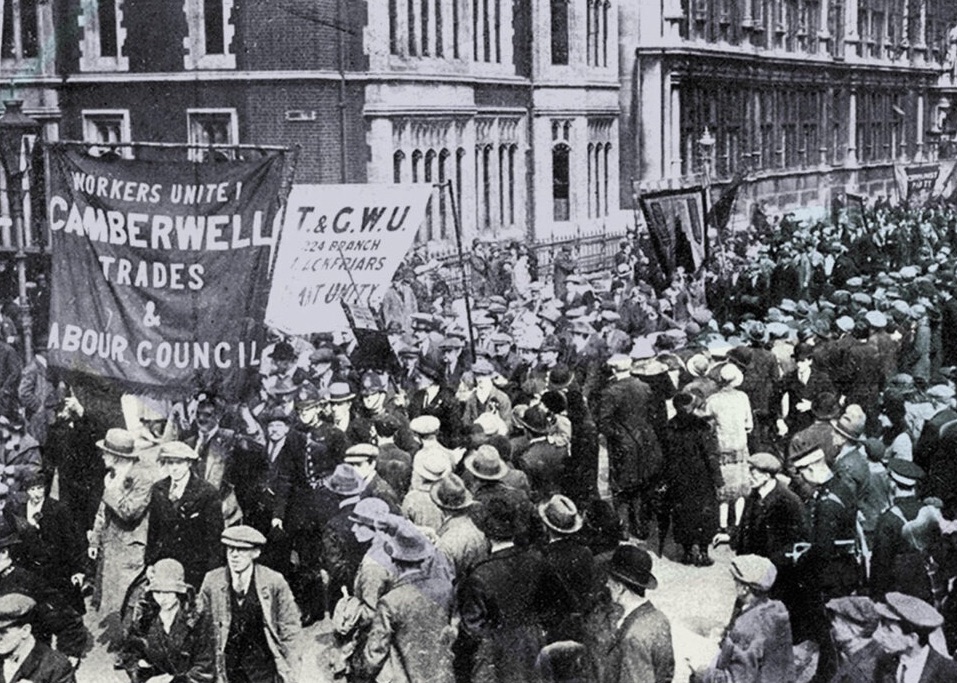
Ce qui s’est passé en Angleterre ces derniers jours a failli être un séisme. Un arrêt de travail des mineurs particulièrement dur et suivi, un début de grève générale secouant le royaume britannique, un approvisionnement en charbon fragilisé pour toute l’industrie européenne et en filigrane la menace – réelle ou supposée – de la subversion bolchévique : il n’en fallait pas plus pour que toute la bourgeoisie française tremble comme une feuille !
La presse n’a cessé d’enchaîner les articles alarmistes sur un possible effondrement de l’Angleterre, prélude à une révolution européenne secrètement pilotée par Moscou. Nos hommes politiques conservateurs ont repris, sans nuance, les discours martiaux du Chancelier de l’Échiquier anglais Winston Churchill, reproduits dans son journal gouvernemental The British Gazette.
Le résultat était stupéfiant : plus un dîner en ville ou un seul salon sans que soit abordé le sujet, la gorge nouée ; des débats à la Chambre transformés en commentaires inquiets ou envieux (suivant si on se situait à droite ou à gauche de l’hémicycle) de la situation outre-Manche.
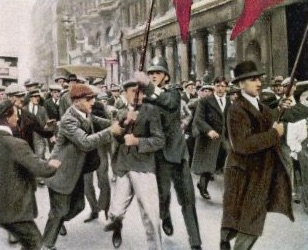
En écho à la mobilisation de la Royal Navy, le gouvernement français avait déplacé des régiments de dragons dans nos villes portuaires, « pour décourager la contagion » disait le Ministre de l’Intérieur. Et pour ma part, j’étais chargé de rencontrer discrètement nos principaux dirigeants syndicaux pour sonder leurs intentions de s’inspirer – ou non – du puissant Trade Union Congress (TUC) anglais.
Le 13 mai, force est de constater que le mouvement fait « pschiitt». Il se dégonfle progressivement comme un vieux pneu. Le gouvernement du premier ministre Stanley Baldwin n’a rien cédé. Il s’était préparé de longue date à cette crise majeure et il a soutenu la position intransigeante des patrons des charbonnages.
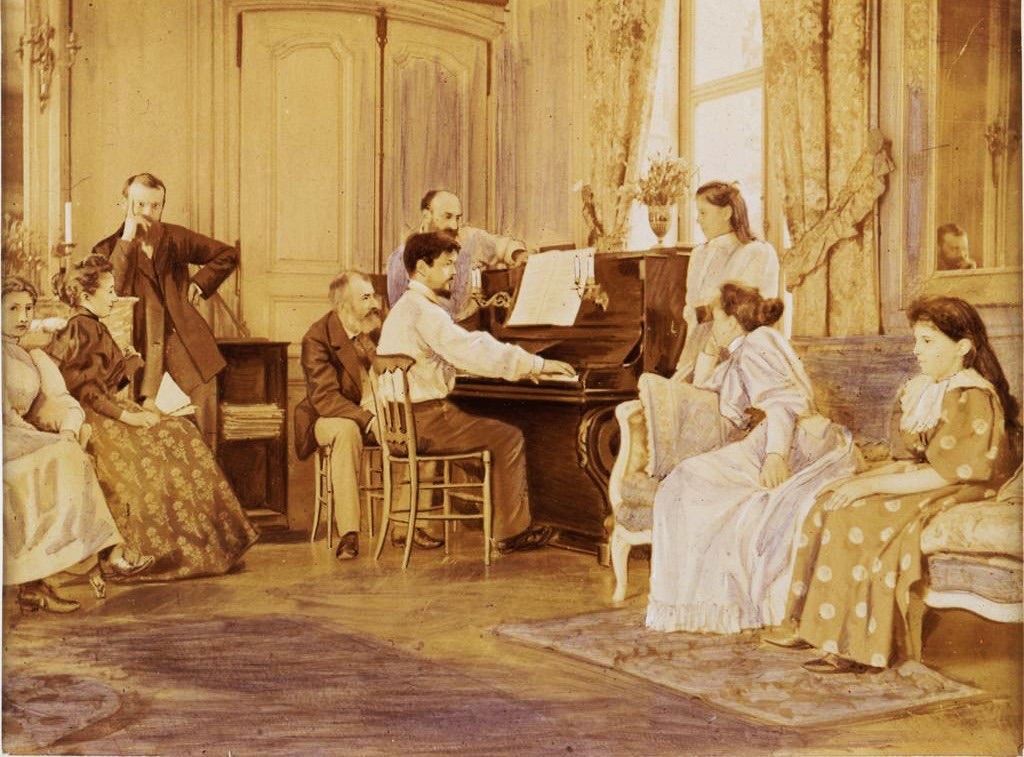
Nous allons enfin pouvoir parler d’autre chose dans les soupers de mon amie Marguerite de Saint-Marceaux !
May 13th, 1926: The Bourgeoisie Breathes at Last!
What has transpired in England these past few days came perilously close to a seismic shift. A particularly bitter and widely followed miners’ strike, the onset of a general strike rocking the British realm, a coal supply for all European industry hanging in the balance, and beneath it all the threat—be it real or imagined—of Bolshevik subversion: it took no more than this to set the French bourgeoisie trembling like a leaf!
The press has been relentless, churning out alarmist reports of England’s potential collapse—a mere prelude to a European revolution covertly orchestrated by Moscow. Our conservative politicians have echoed, without a hint of nuance, the martial rhetoric of the British Chancellor of the Exchequer, Winston Churchill, as printed in his government rag, The British Gazette.
The result was staggering: not a single dinner party or salon escaped the subject, discussed with constricted throats. Debates in the Chamber were reduced to anxious or envious commentaries regarding the situation across the Channel, depending on whether one sat to the right or the left of the hemicycle.
Echoing the mobilization of the Royal Navy, the French government dispatched regiments of dragoons to our port cities, « to discourage contagion, » as the Minister of the Interior put it. For my part, I was tasked with discreetly meeting our leading union officials to sound out their intentions—to see whether or not they were inspired by the mighty English Trade Union Congress (TUC).
Today, the 13th of May, it must be noted that the movement has sputtered out. It is deflating steadily, like a punctured tyre. Prime Minister Stanley Baldwin’s government has not yielded an inch. Having long prepared for this major crisis, he stood firm behind the intransigent position of the colliery owners.
We shall finally be able to discuss something else at the soirées of my friend Marguerite de Saint-Marceaux!


Laisser un commentaire